 NutriScope
Nutritional Awareness and Food Literacy
Developing knowledge about food composition, dietary diversity, and informed food choices in daily life.
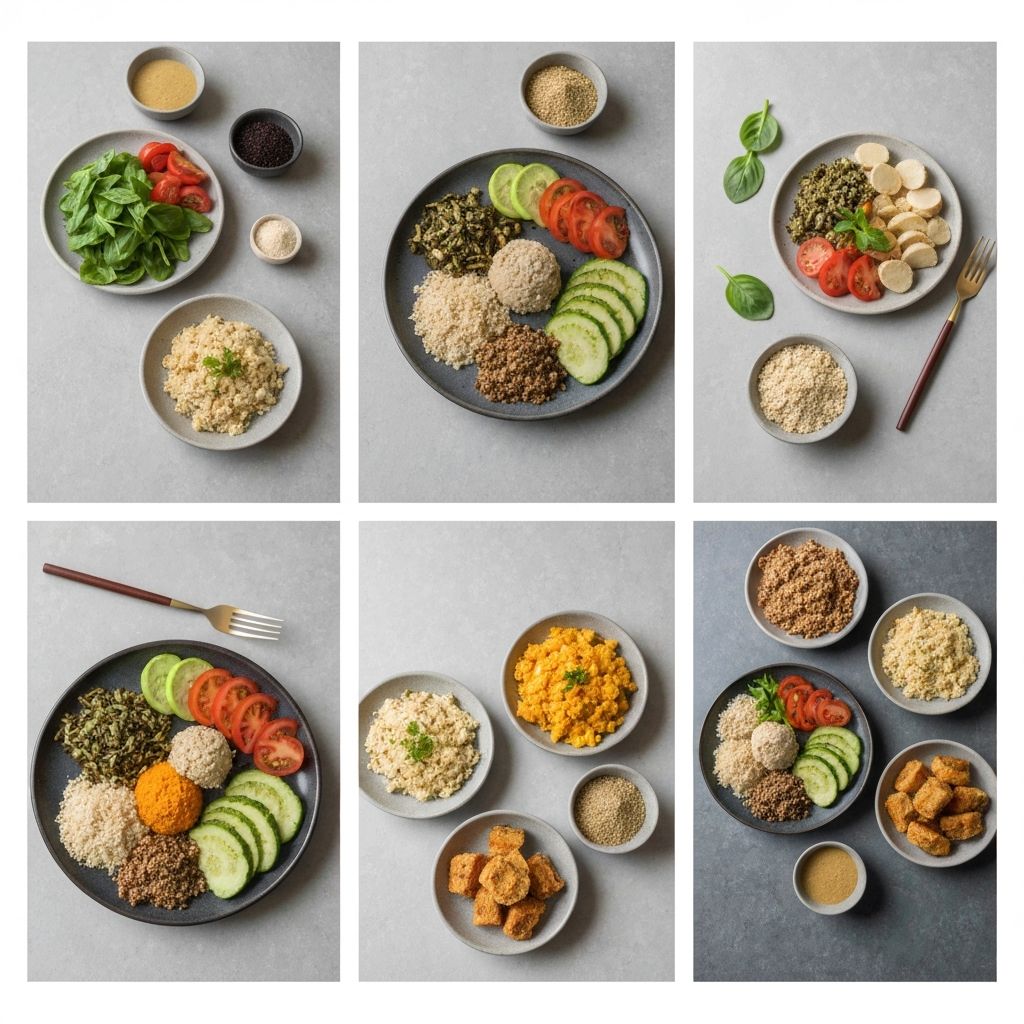
What Is Nutritional Awareness?
Nutritional awareness refers to understanding food composition, nutrition concepts, and how food choices influence overall dietary intake. It involves recognizing macronutrients and micronutrients, understanding portion sizes, and knowing the nutritional contribution of different foods.
Developing nutritional awareness is an educational process that enhances one's ability to understand food from an informational perspective.
Food Literacy: Understanding What We Eat
Reading Food Labels
Food labels provide standardized information about nutrition content. Understanding how to read labels includes recognizing:
- Serving sizes and servings per container
- Caloric content
- Macronutrient amounts (protein, carbohydrates, fats)
- Key micronutrients (sodium, fiber, vitamins, minerals)
- Added ingredients
Label literacy allows consumers to make informed choices based on their personal preferences and circumstances.
Understanding Food Groups
Different food classification systems help organize understanding of nutritional diversity:
- Vegetables and legumes
- Fruits
- Grains and starches
- Proteins (meat, fish, plant-based)
- Dairy and alternatives
- Healthy fats and oils
Understanding food groups aids in recognizing dietary diversity and the varied nutritional contributions of different foods.
Nutritional Concepts
Macronutrients
Awareness of macronutrients helps understand food composition:
- Proteins: Essential for tissue building and repair. Found in meat, fish, eggs, legumes, nuts.
- Carbohydrates: Primary energy source. Include whole grains, fruits, vegetables, legumes.
- Fats: Important for hormone production and nutrient absorption. Found in oils, nuts, seeds, fatty fish.
Micronutrients
Micronutrients are essential in smaller quantities but critical for health:
- Vitamins: Including A, B, C, D, E, K
- Minerals: Including iron, calcium, zinc, magnesium
- Phytonutrients: Plant compounds with potential health benefits
Dietary diversity naturally provides varied micronutrient sources.
Individual Dietary Approaches
Nutritional awareness includes recognizing that people follow diverse dietary approaches based on personal values, preferences, cultural background, and individual responses to different foods.
Various Approaches
Different people maintain different dietary patterns:
- Omnivorous diets including animal and plant foods
- Vegetarian and vegan approaches
- High-protein dietary patterns
- Low-carbohydrate approaches
- Mediterranean dietary patterns
- Cultural and traditional food patterns
- Individual preference-based approaches
Awareness acknowledges that multiple approaches exist, not a single "correct" diet for everyone.
Food Intolerance and Preferences
Nutritional awareness recognizes that individuals have different:
- Food allergies and intolerances
- Religious or ethical dietary restrictions
- Food preferences and dislikes
- Cultural food traditions
- Individual responses to foods
Acknowledging these differences supports understanding of why people make different food choices.
Building Awareness: Knowledge and Practice
Nutritional awareness develops through:
- Learning about nutrition concepts and food composition
- Reading and understanding food labels
- Experiencing different foods and recognizing their characteristics
- Understanding personal food preferences and responses
- Recognizing how food choices accumulate over time
- Learning about nutritional diversity
- Understanding the relationship between food and overall health
This awareness is informational and educational in nature. It does not prescribe specific food choices but rather provides knowledge to inform personal decisions.
Awareness and Decision-Making
Informed Choices
Nutritional awareness supports making informed food choices based on knowledge of food composition and nutritional contribution. Different individuals use this awareness differently based on their unique circumstances and preferences.
Individual Variation Matters
While awareness provides information, how individuals apply this knowledge varies greatly. One person may use nutritional information for one purpose, while another uses it differently. This variation reflects normal diversity in human behavior and decision-making.
Educational Content Only
This article provides educational information about nutritional awareness and food literacy. It explains concepts and provides context about food and nutrition, but does not constitute personal medical or nutritional advice. Individual nutritional needs and optimal dietary approaches vary greatly among people. For personalized nutrition guidance, consult with a qualified healthcare professional or registered dietitian.